Our 2023
Field Season
To prepare for thru-hikers and other visitors each summer, PNTA coordinates teams of professional, student, and volunteer crews from across our trail community. As one of America’s youngest national scenic trails, there is always a lot of work to do from the moment that the trail melts out until the snow falls again.
Performance Trail Crews
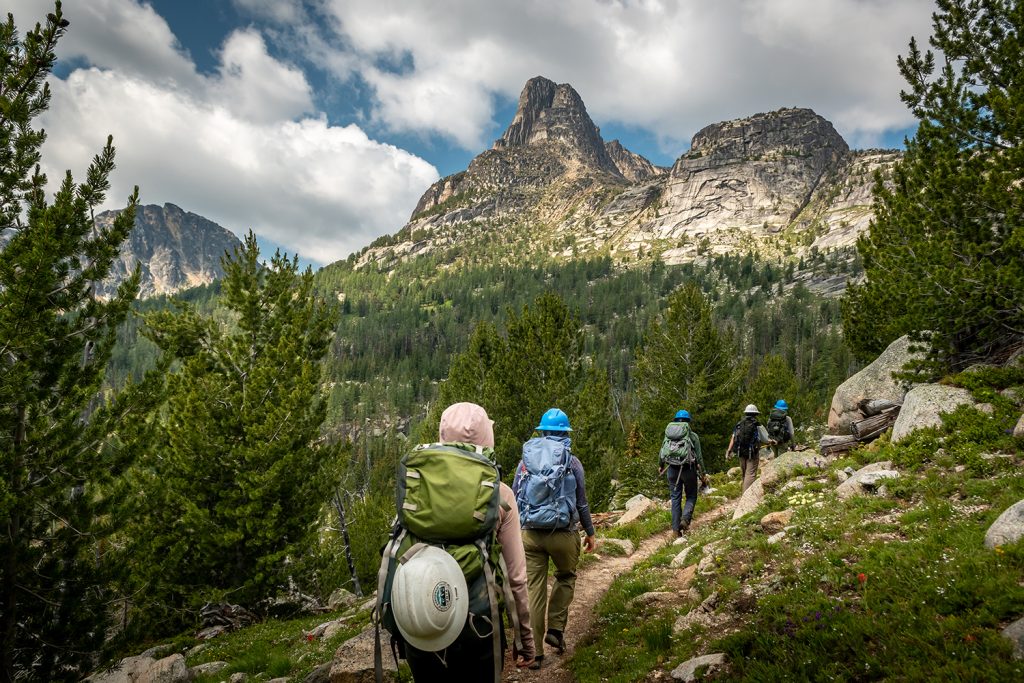
Local youth and young adults from across our trail community serve on PNTA Performance Trail Crews each season. In 2023, seven crews were responsible for performing 80% of our annual maintenance on the PNT.
Crew members have the opportunity to work and camp out in spectacular wild places for up eight days at a time.
Volunteers
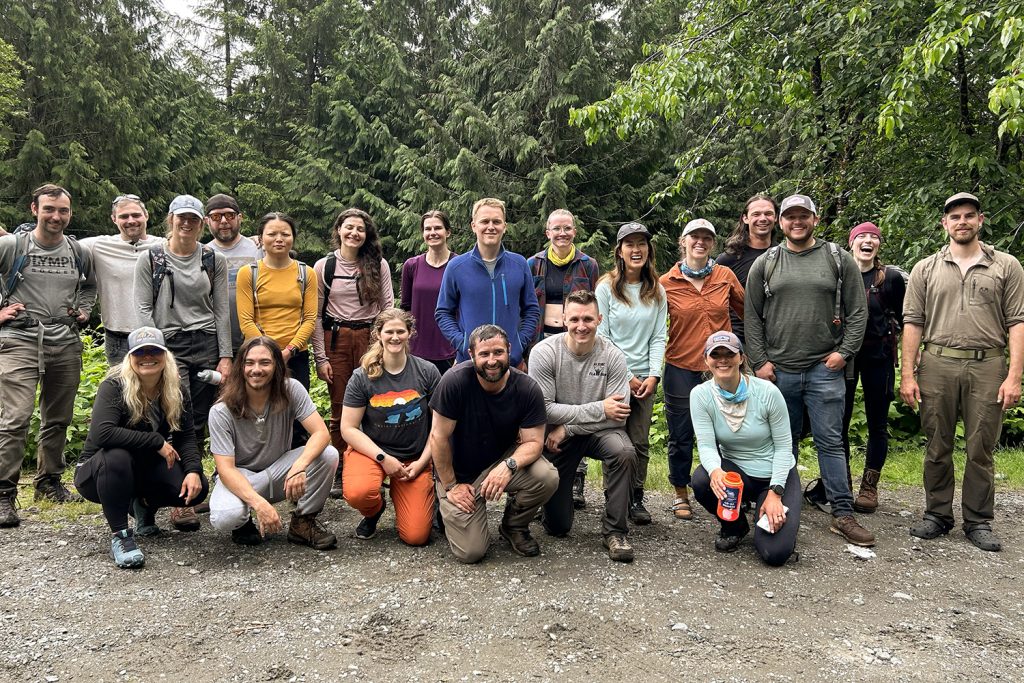
Volunteers play many important roles in the upkeep of the PNT. Most volunteers will help maintain the PNT at frontcountry worksites near trailside communities. They may also join us for longer volunteer opportunities, helping to maintain the PNT at backcountry worksites, or by transporting heavy gear and supplies to trail crews working in remote areas
The North Cascades Region
In temperate rainforests, like those found in the Cascades, the PNT needs annual maintenance to stay protected from nature’s toll. Two of the biggest priorities in this region are log-out and brushing. With heavy rain and winter storms, hundreds of trees fall across the PNT every year, and thick brush springs up surprisingly fast each summer.
Protecting our natural resources is another important aspect of our work in the Cascades. Building walkways and crossing structures can spare fragile alpine meadows from visitor use impacts and provide a better hiking experience. Maintaining the trail’s tread and drainage features not only protects the PNT from washouts it also helps protect sensitive streams and other riparian habitat from erosion.
In 2023, PNTA crews worked closely with our partners to restore fire-damaged tread within the trail closure area in North Cascades National Park.
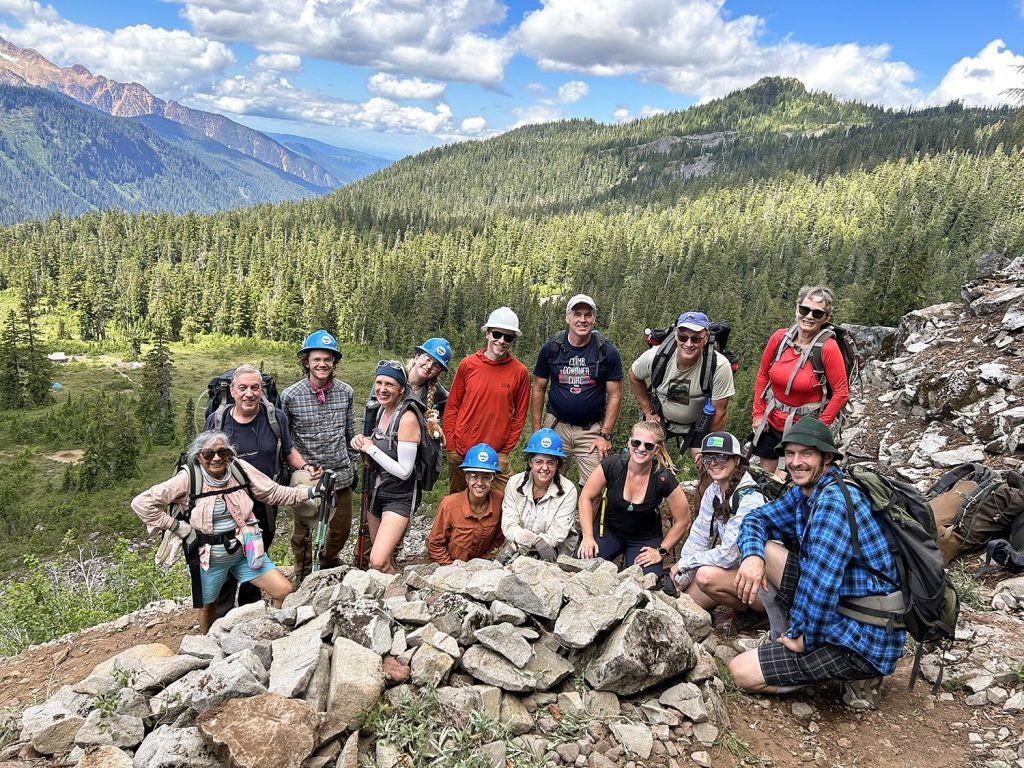
Performance Trail Crew Dispatches from the North Cascades
Volunteer Events in the North Cascades
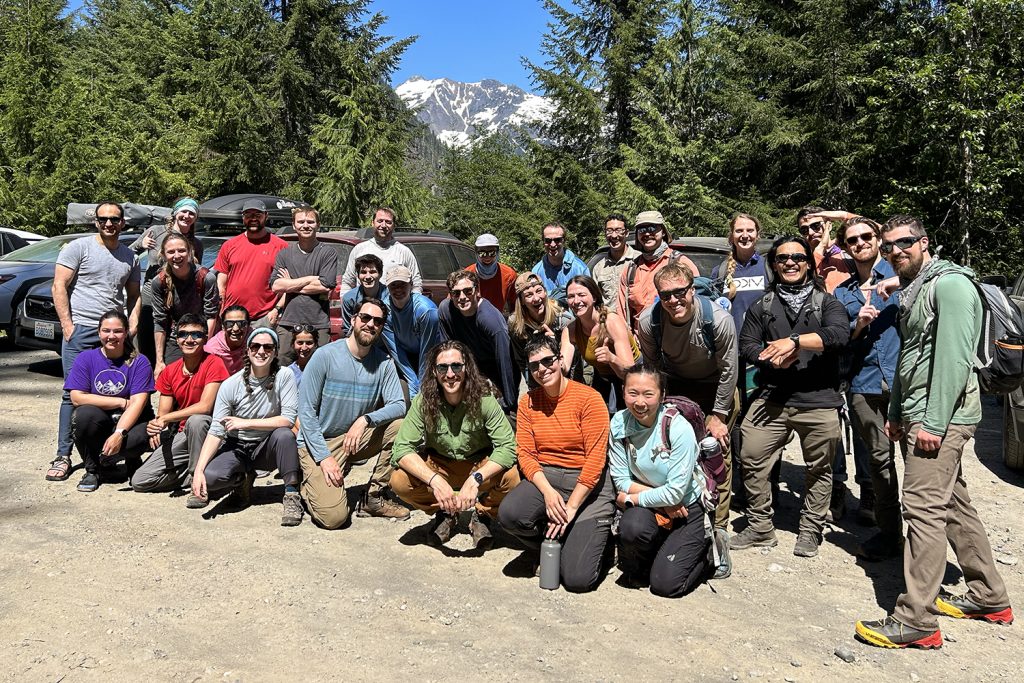
The PNTA would like to recognize the BOEALPS – Boeing Employees Alpine Society, Class of 2023, for their volunteer service to the Pacific Northwest National Scenic Trail this season!
BOEALPS offers a year-round program of climbing and social activities for members, as well as basic and advanced mountaineering courses each spring. This year, 50 BOEALPS members joined five PNTA crew leaders out on the Pacific Northwest Trail to fulfill the service stewardship component of the program. With the help of these dedicated volunteers, we made some great progress preparing the PNT for the season ahead.
Near Baker Lake, BOEALPS members helped PNTA service two and half miles of the Swift Creek Trail through temperate rainforest. Volunteers helped to decommission an aging puncheon walkway and restore the tread of the PNT. At a second event, volunteers helped PNTA logout and brush the 1144 Trail, near the Mt Baker Hot Springs. Way to go everyone!
Students at the West Michigan Academy of Environmental Science have a 62-acre outdoor classroom to explore and expand their love of learning.
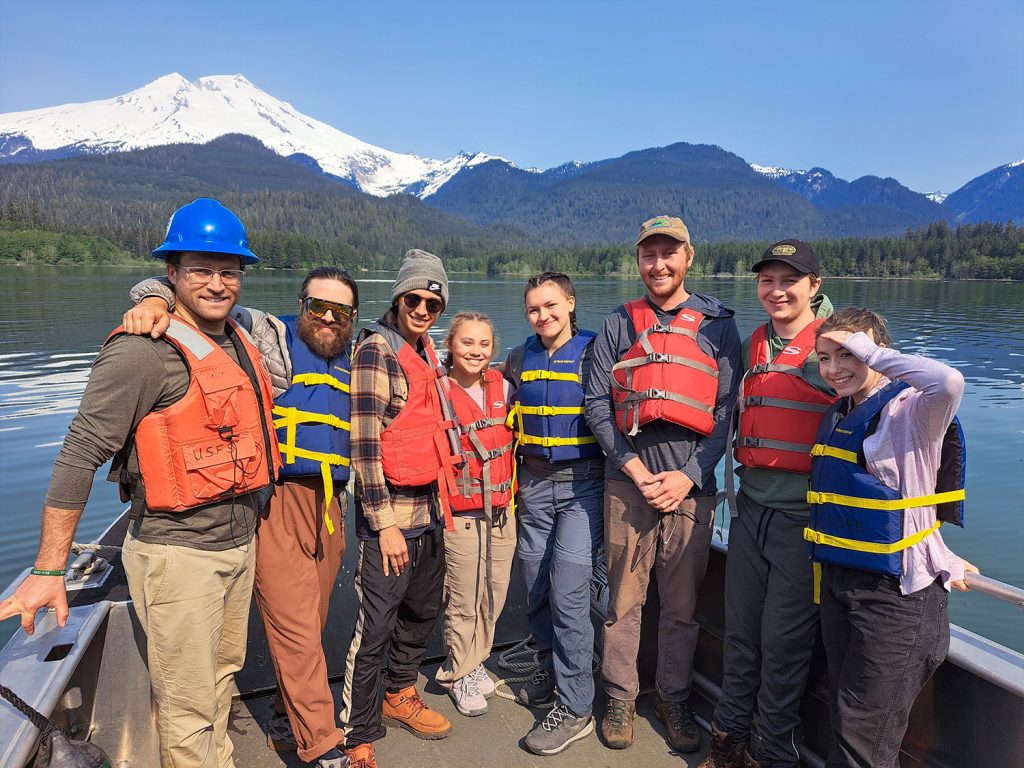
In mid-May, WMAES students participating in an annual outdoor service learning trip had the opportunity to explore the 1,724,229-acre Mt. Baker- Snoqualmie National Forest while working in service to the Pacific Northwest National Scenic Trail.
Over the course of the week, ten high school students and their instructors camped out on the shores of Baker Lake. Student volunteers learned the basic principles of trail maintenance and helped service nearly five miles of the PNT!
Their efforts will help improve the experience on the Swift Creek, Baker Lake, and Baker River Trails this season, and help protect water quality in the area.
Most PNTA are open to volunteers from beginners to experts and are ideal for folks looking to help out for only a few hours at a frontcountry work site. PNTA also offers opportunities for groups and experienced volunteers interested in working and camping out in the wilderness on a multi-day adventure. Learn more.
Northeast Washington Region
New Trail Construction Near Metaline Falls
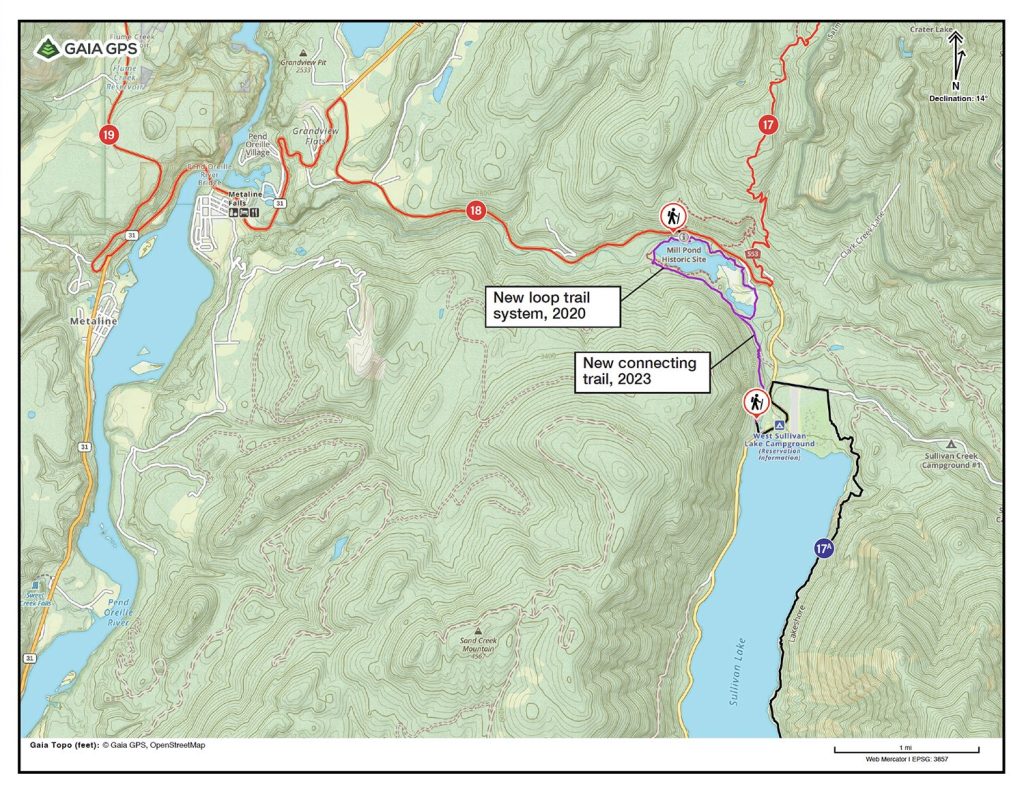
On June 27th, PNTA crews finished construction of the final 100 feet of the Sullivan Outlet Creek Trail!
The new one-mile-long trail will connect the West Sullivan Campground to the Mill Pond trail system east of Metaline Falls. Since 2020, PNTA crews have also helped develop a three-mile trail network around the Mill Pond Historic Site and Campground.
Together, these trails will improve the long-distance hiking experience on the PNT near the Washington-Idaho border. Thru-hikers will have two miles of new tread to enjoy in an area where the PNT previously followed paved roads.
PNTA crews and volunteers also completed annual maintenance on the PNT across the region. In the temperate rainforests found in the Selkirk Mountains, the PNT needs annual maintenance to stay protected from nature’s toll. One of the biggest priorities in this area is logging out hundreds of trees that fall across the PNT each year. Regular tread and drainage work is also important because it helps shield the trail from damage caused by heavy annual rainfall, and helps protect our natural resources.
Performance Trail Crew Dispatches from the Northeast Washington
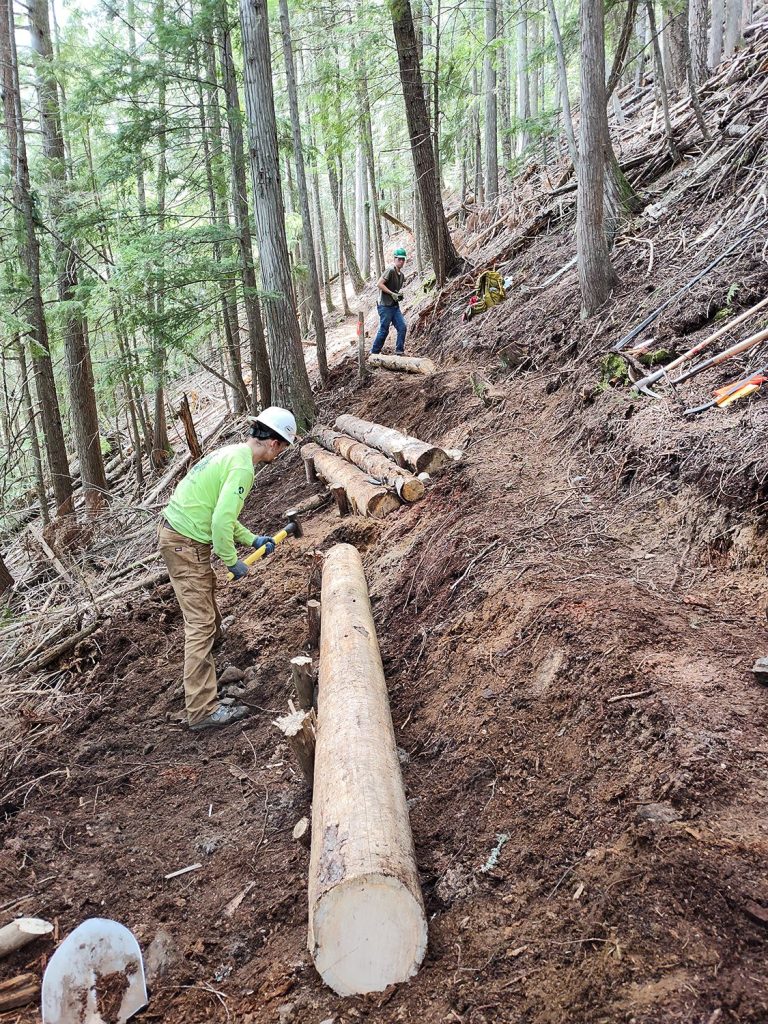
Led by Hannah Kary and Tyler Warren, our Selkirks Trail Crew worked in steep terrain to establish the Sullivan Outlet Creek Trail. They built over a quarter mile of tread and with the help of US Job Corps students from the Curlew, Washington campus. The crew built a series of five log and rock retaining walls to support the new trail in steep sloping areas.
Okanogan Highlands Region
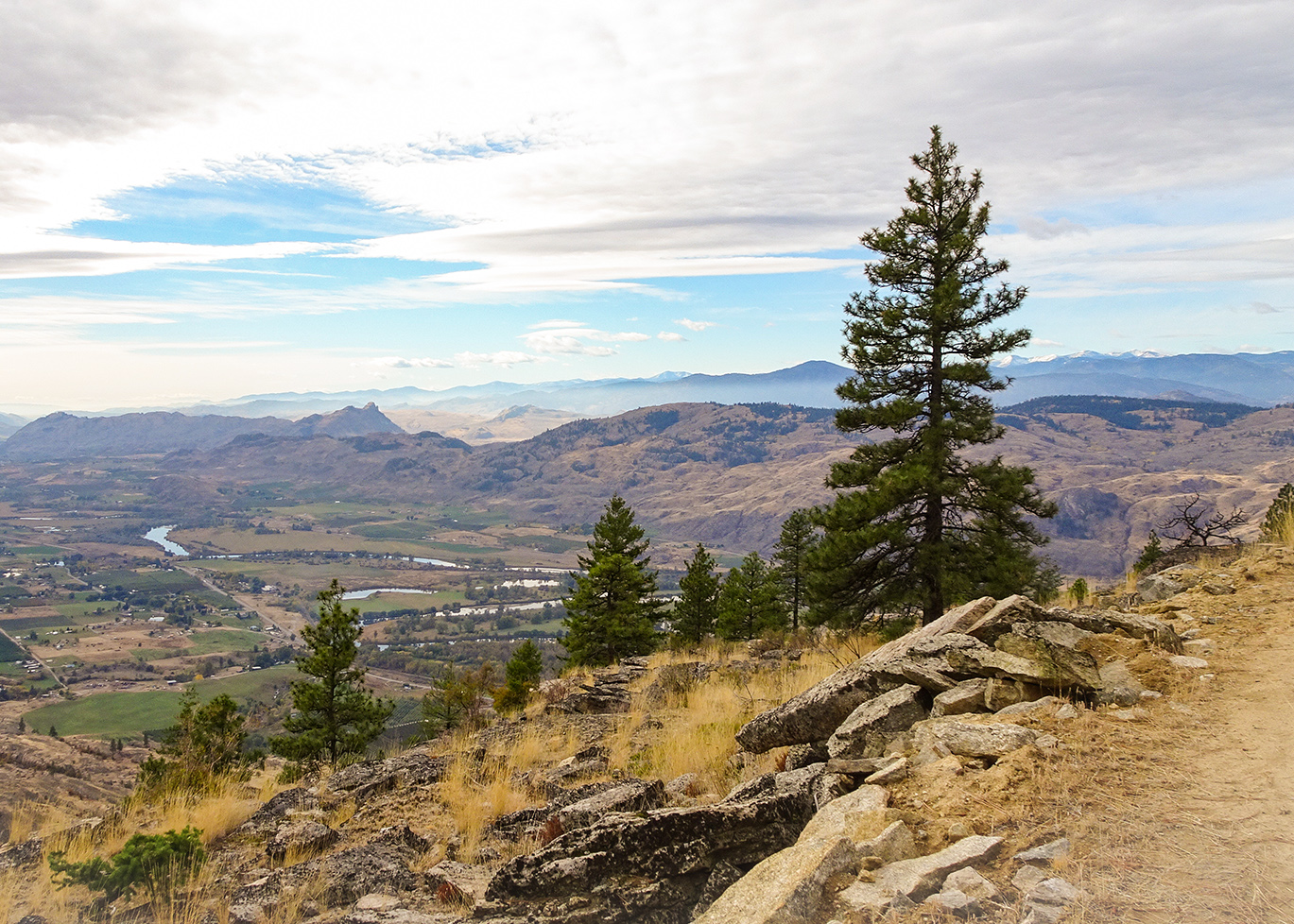
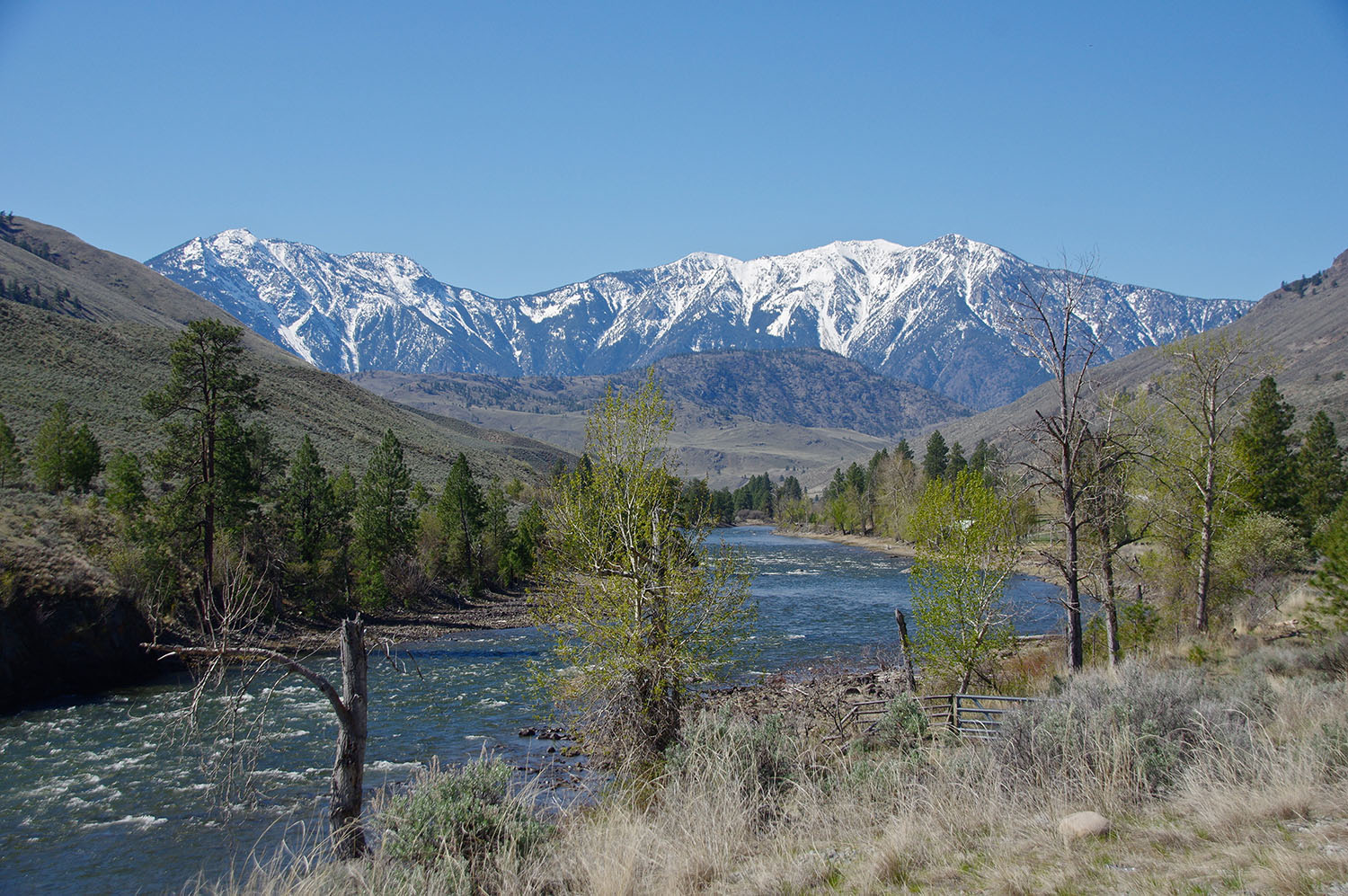
Surrounding the midpoint of the PNT, the Okanogan Highlands defy visitors’ expectations of the Northwest with an arid climate that nears desert conditions.
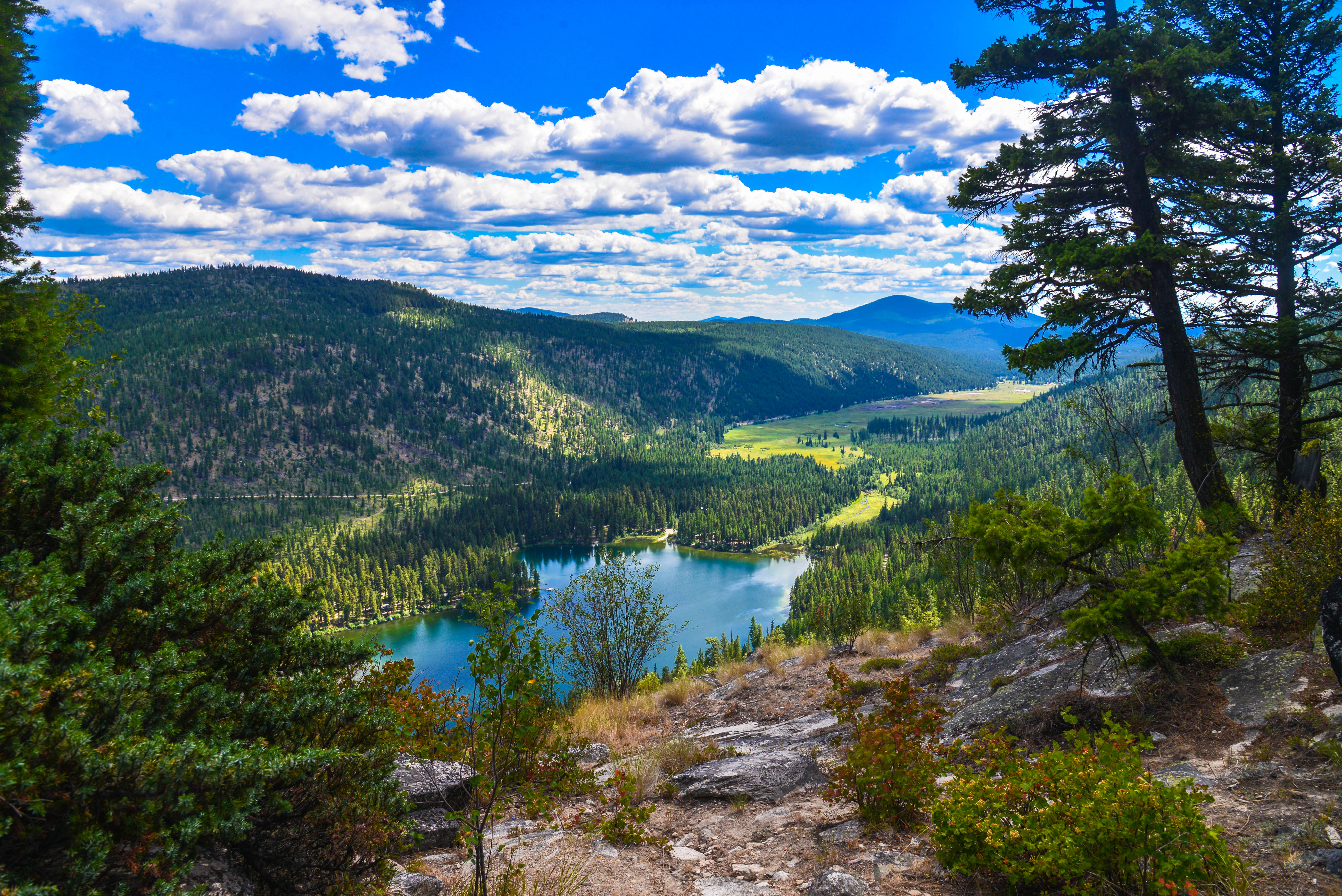
This region adds much to the diversity of the PNT experience. Stretching roughly between the Okanogan and Kettle Rivers, this complex high country landscape is characterized by ponderosa pine, rolling parklands, fragrant sagebrush shrub-steppes, sweeping grasslands, marshy aspen groves and ghost forests left behind by wildfire.
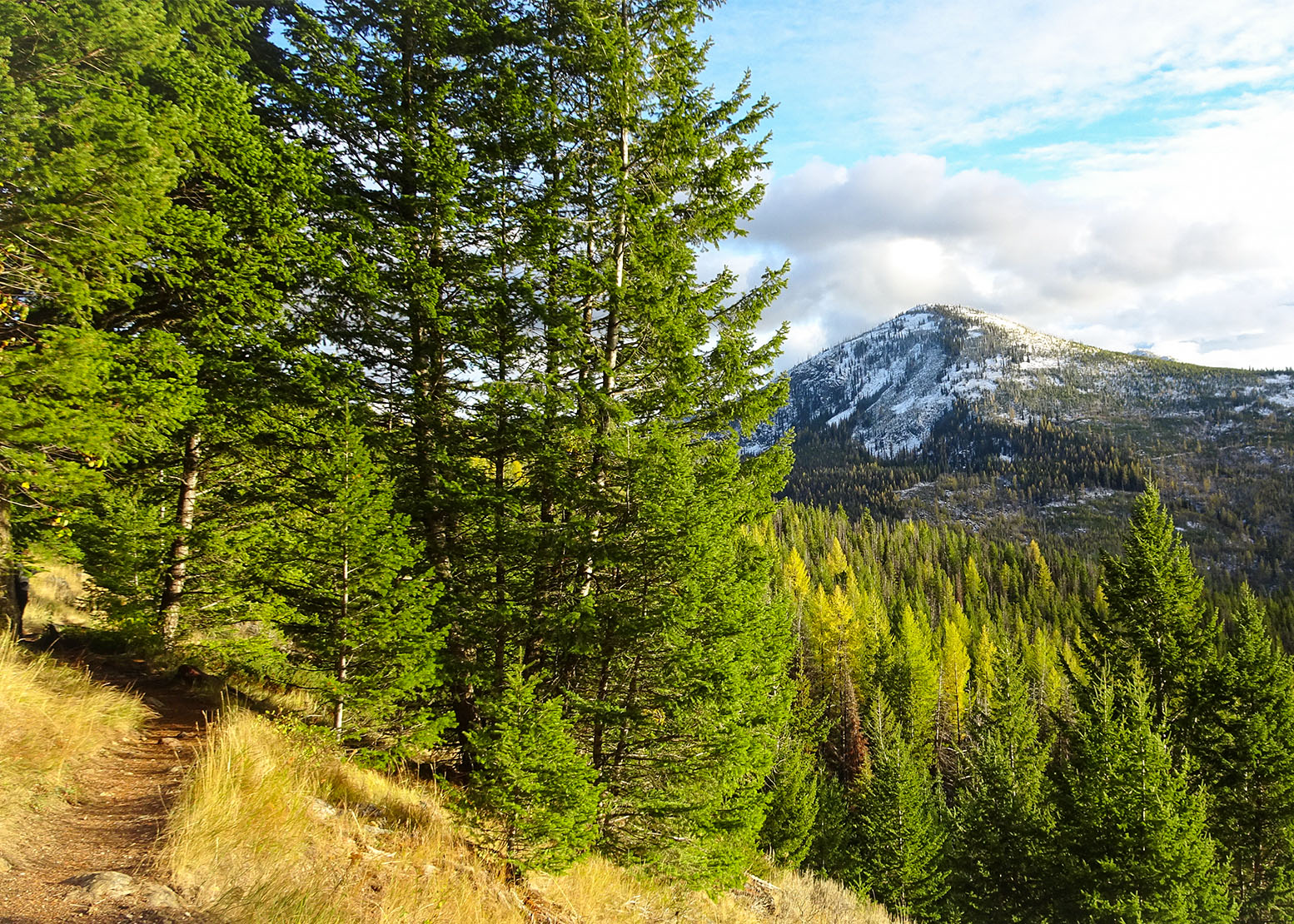
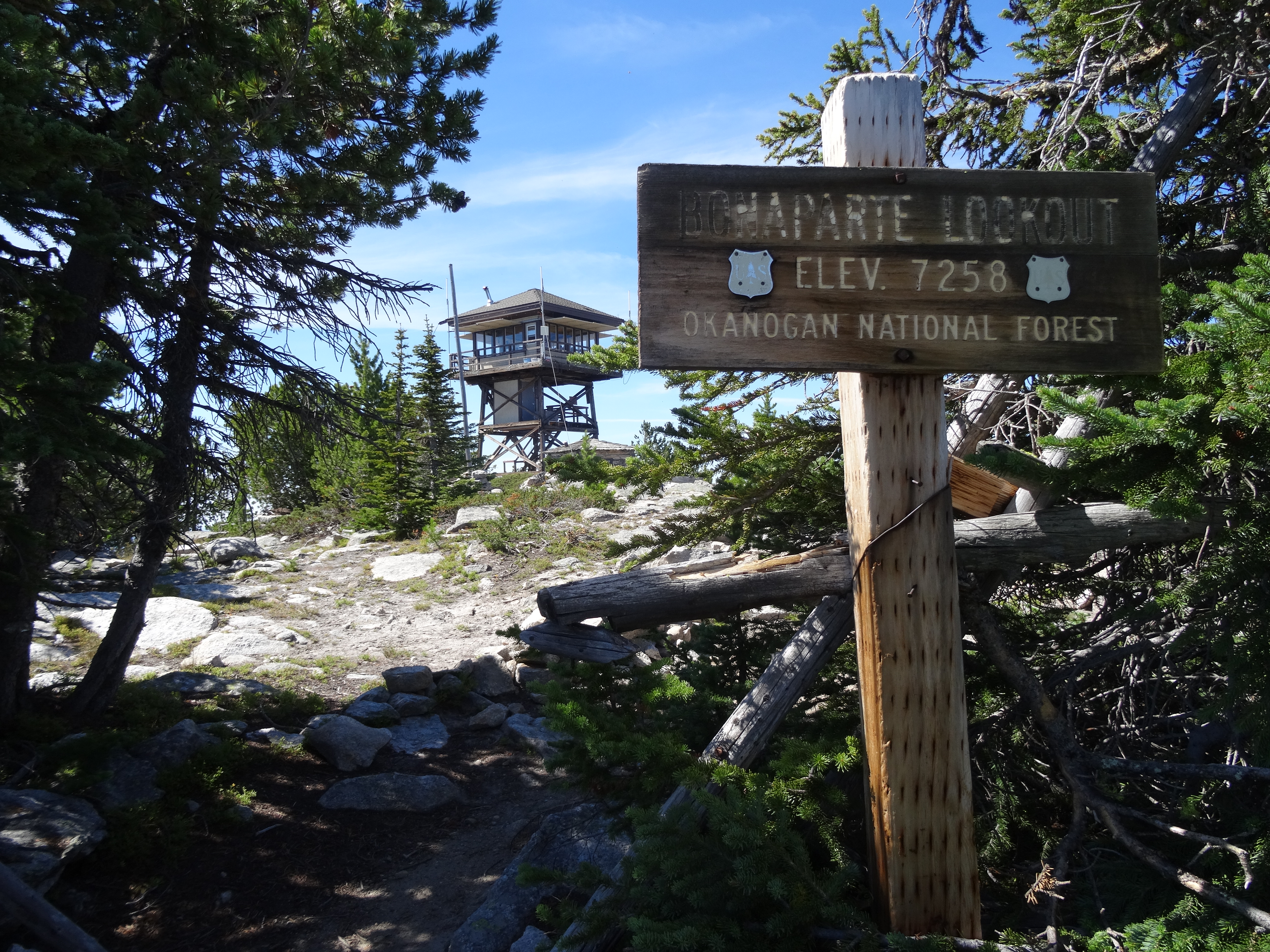
Two years after the Spur-Walker Fire, PNTA trail crews returned to Mount Bonaparte to restore the fire-damaged section of the PNT. By mid-summer the crew was able and reopen the closed stretch of trail for thru-hikers and other visitors.
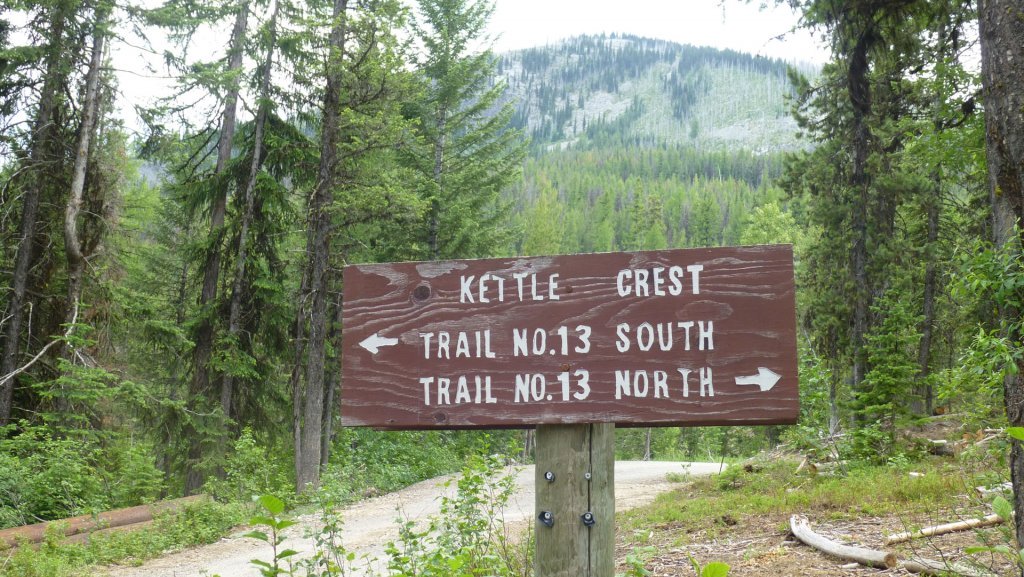
Performance Trail Crew Dispatches from the Okanogan and Kettle Crest
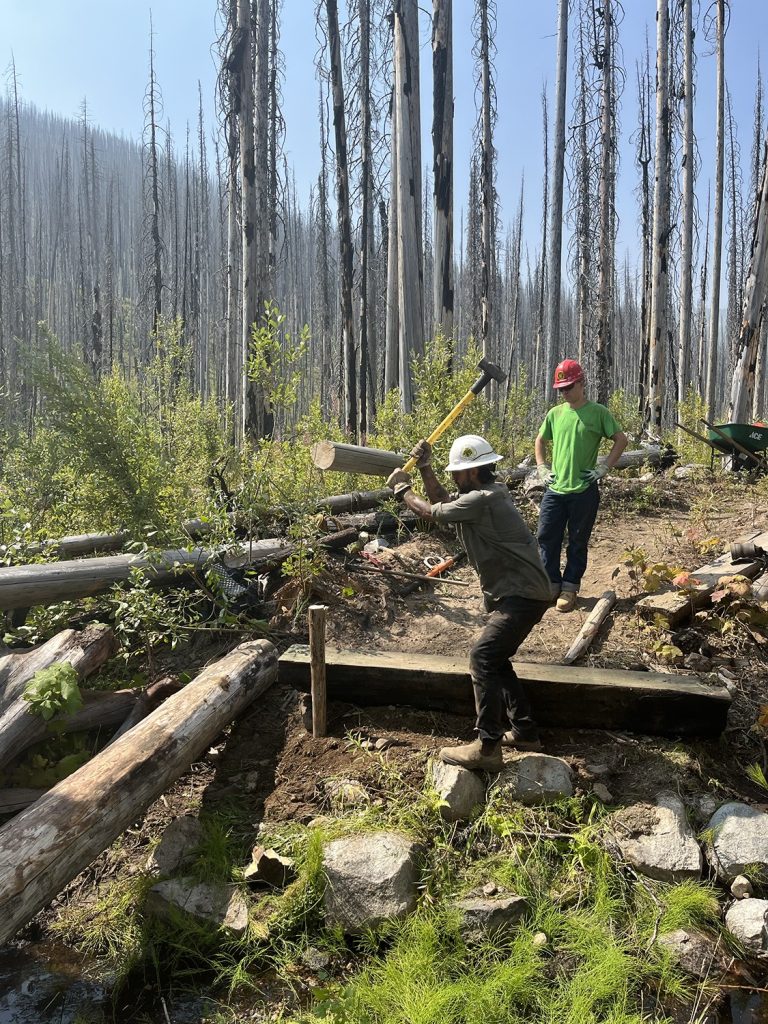
Following a wildfire, trail crews have more work to do, with increased log-out and brushing work. Many smaller trail structures damaged by fire or by its destabilizing effects need to be rebuilt and replaced.
Pasayten Wilderness Region
With 150 miles between resupply points in Oroville and Ross Lake, the Pasayten Wilderness is the longest roadless section of the Pacific Northwest Trail. For 95 unforgettable miles, the PNT traverses the untrammeled heart of the designated wilderness area. The outstanding scenery and immersive experience it provides places the Pasayten Wilderness near the top of every backpacker’s life list.
Yet, the qualities that make this part of the PNT so special also make it a real adventure for volunteers and trail crews to access and work in.
Many worksites in this remote, roadless area take one full day of hiking to reach. This makes them best suited for multi-day backcountry trip volunteer events. These work parties are ideal for volunteers with prior backpacking experience that enjoy hiking long distances and camping out on the trail with their crew.
How Teamwork Gets the Job Done
Every season, there is a lot of work to do in the Pasayten Wilderness and only a short time to get the job done.
Logout — The first priority is logging out hundreds of trees that fall across the PNT each year. Volunteers and Performance Trail Crews will spend the summer clearing the trail the old fashioned way using crosscut saws and other muscle-powered hand tools as wilderness regulations require.
Pack Support — Whether they’re carrying a backpack or leading a pack string of stock animals, pack support volunteers help move tools and supplies in and out of our backcountry “spike camps” so crews can direct more of their energy towards trail work.
With your help, we can make the most of our short season in this special place and keep the Pacific Northwest Trail open for everyone to enjoy.
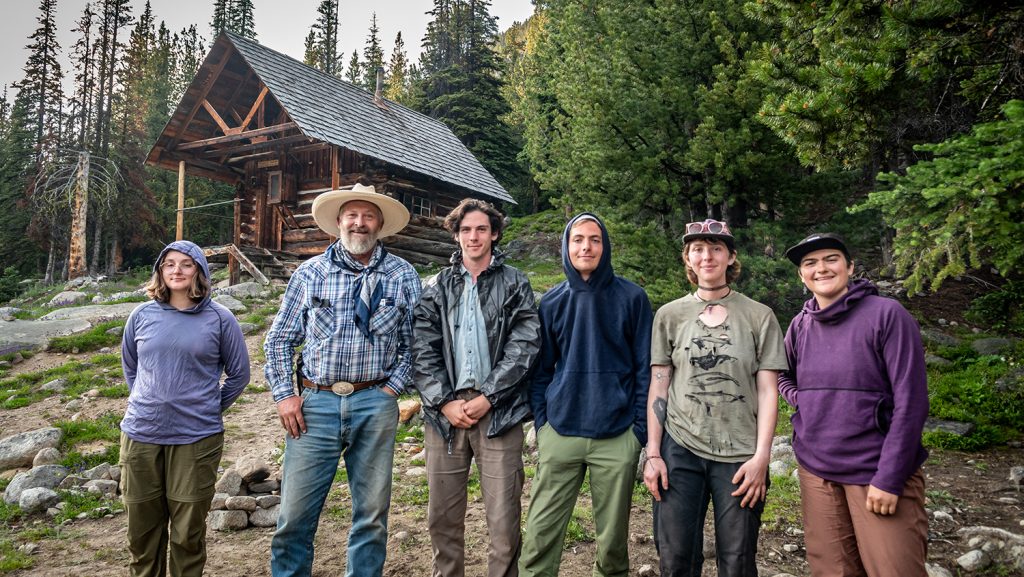
Our Pasayten-based crews were fortunate to have pack support provided by volunteers with the Back Country Horsemen of Washington and US Forest Service this season. One one trip alone, a pack string led by the Stremler family carried over 600 pounds of gear to the Tungsten Mine Camp, a 42-mile round trip from the Chewuch Trailhead at the southeastern boundary of the Pasayten Wilderness. With lighter packs made possible by BCHW volunteers, our crew was able to get even more work done on the Pacific Northwest Trail.
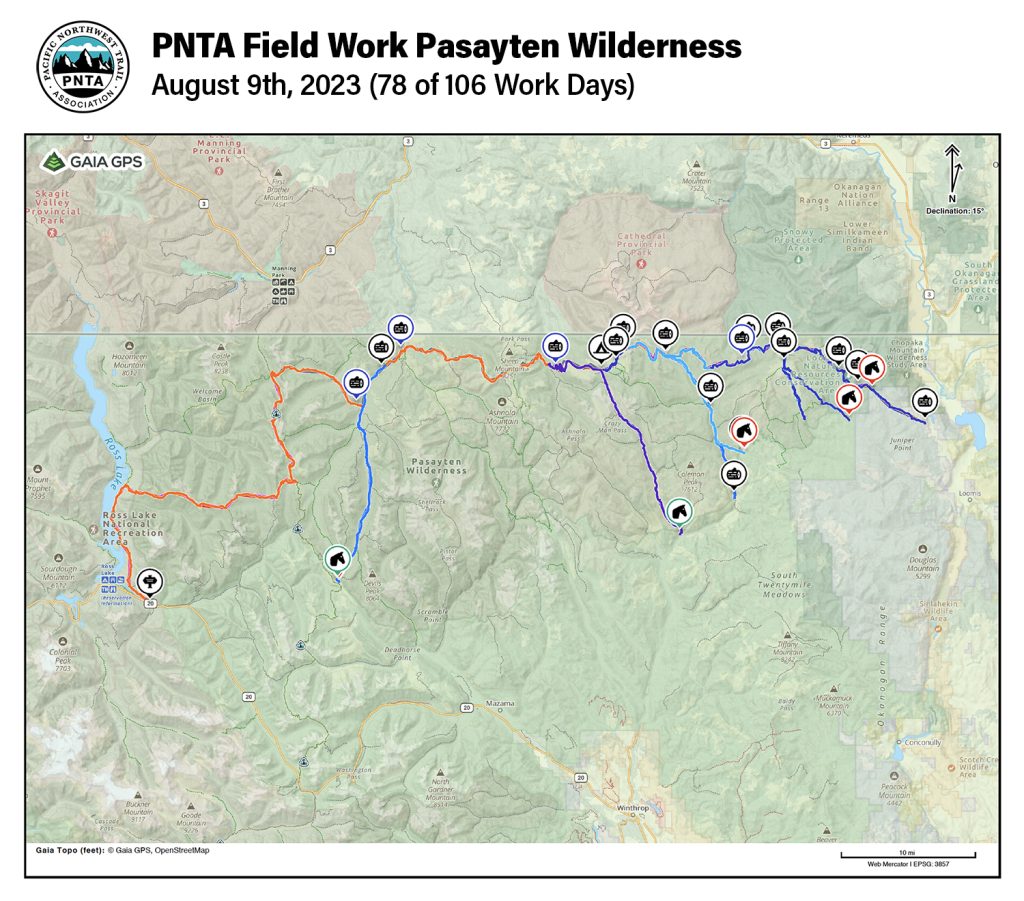
In addition to the spectacular 120-mile stretch of the PNT in the wilderness, the third longest in the National Trails System, PNTA trail crews also help maintain other critical parts of the trail network. North-south oriented routes are especially important to the equestrians and packers that PNTA trail crews rely on so they can work longer and more efficiently out in the backcountry, even at worksites that can take two full days of hiking to reach.
Performance Trail Crew Dispatches from the Pasayten Wilderness